Humans on Mars Initiative

  • Humans on Mars

    Pathways to a long-term sustainable exploration

  • Lucio Colombi Ciacchi

    “Learning how to produce metals and other materials on Mars will promote a transition from fire-driven to electricity-driven and CO₂-emission-free materials engineering for the first time ever.”

  • Kurosch Rezwan

    “Thinking the unthinkable is what drives me. Mars is the perfect place for that.”

  • Anastasiya Tönjes

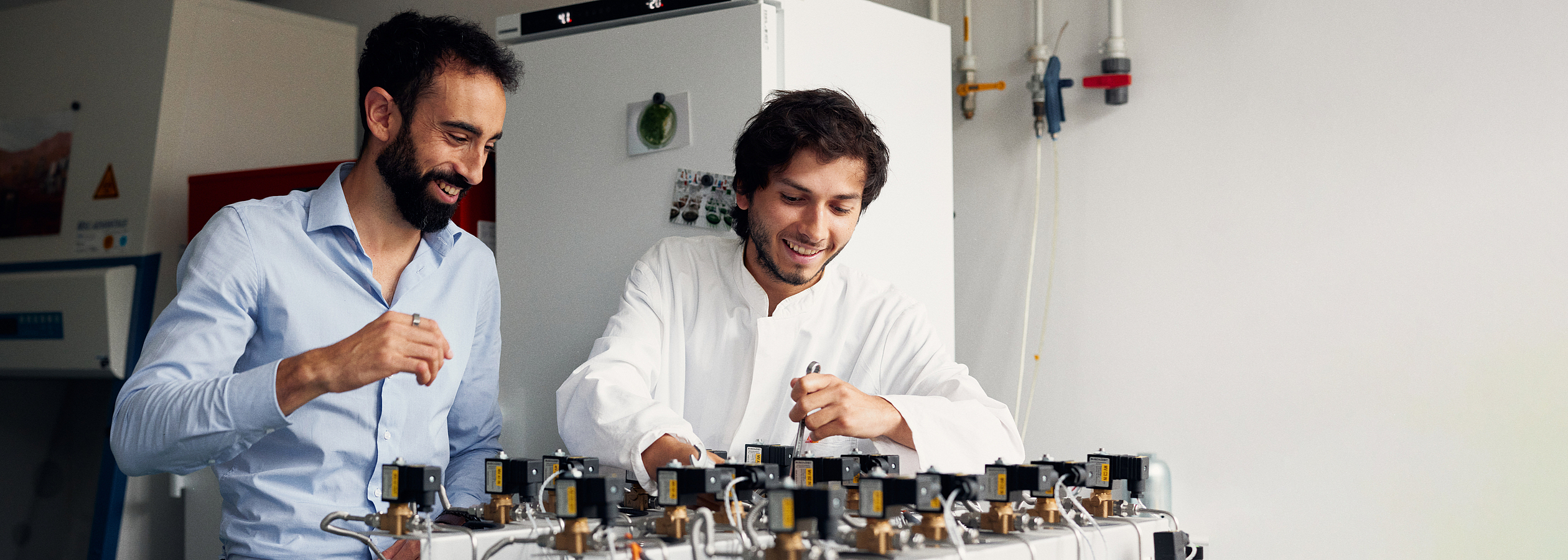
    “Another planet means other materials. For me, as a materials scientist, it is a big challenge. With ‘Humans on Mars‘ I can explore the future today.”

  • Sven Kerzenmacher

    “Martian reality will force us to find radically new approaches in coping with scarcity and foster resource efficiency. This mindset will also help shaping sustainable life on Earth.”

  • Katharina Brinkert

    “The exploration of space and protection of Earth go hand-in hand: the complementary approach of the Martian Mindset shows us how much space and Earth science can learn and benefit from each other.”

  • Cyprien Verseux

    “The Humans on Mars Initiative is an exciting opportunity to combine my expertise in space biology with that of others in fields far apart – and ultimately, to help make Mars exploration sustainable.”

  • Lutz Mädler

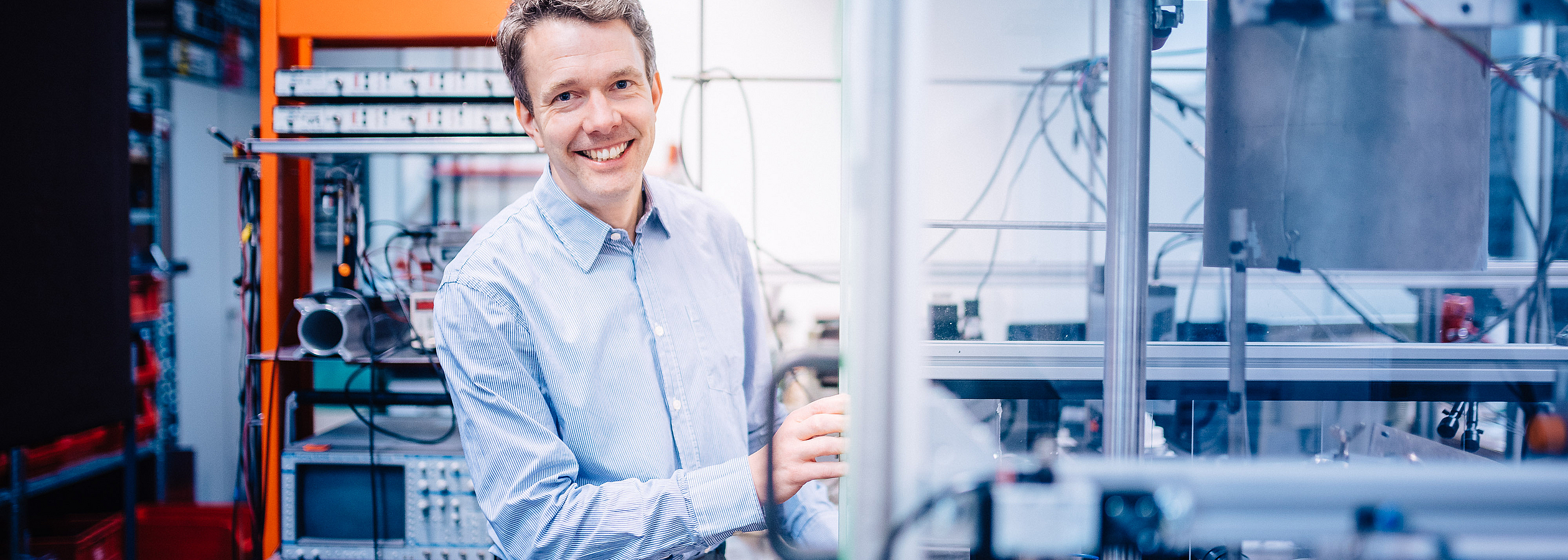
    “The Humans on Mars Mindset requires an engineering vision into a world of unknowns and constrains - not far from what we have on earth, but more extreme and less complex at the same time.”

  • Frank Kirchner

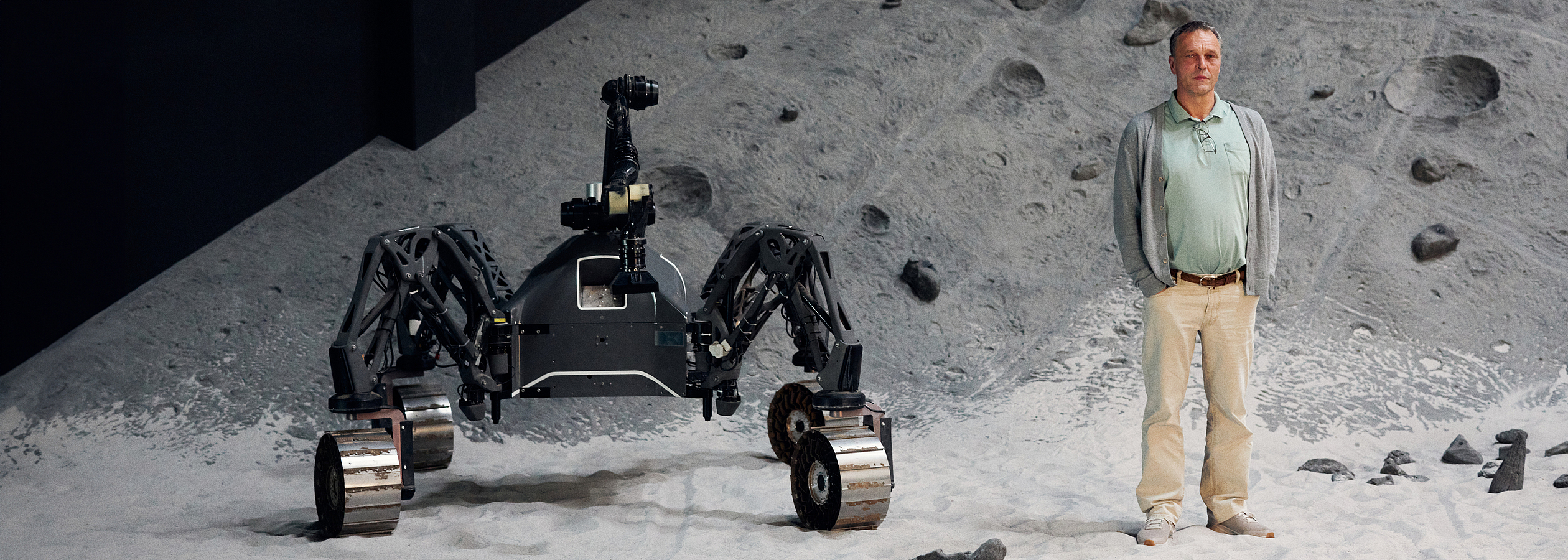
    “Humans on Mars tackles an extremely important challenge with respect to robotics research, it has the potential to achieve mayor breakthrough towards robots that are fit for everyday life.”

  • Daniel Meyer

    “The unique boundary conditions on Mars require to re-think manufacturing in a multi-disciplinary approach which will lead to exciting developments also applicable to the challenges on Earth.”

  • Christiane Heinicke

    “We set out to find ground-breakingly new answers to sustaining humans on Mars. I love the interdisciplinary challenge and the inevitable implications for our life on Earth.”

  • Kirsten Tracht

    “Mars habitat planning enables a radical new paradigm of producing with sustainability and full circularity from product design, material sourcing to maintenance and end-of-life.”

  • Marc Avila

    ”Mars has extremely limited natural resources. Under the premise of scarcity, our cross-disciplinary team researches how to sustain humans on Mars and applies the lessons learnt to Earth.”

Humans on Mars

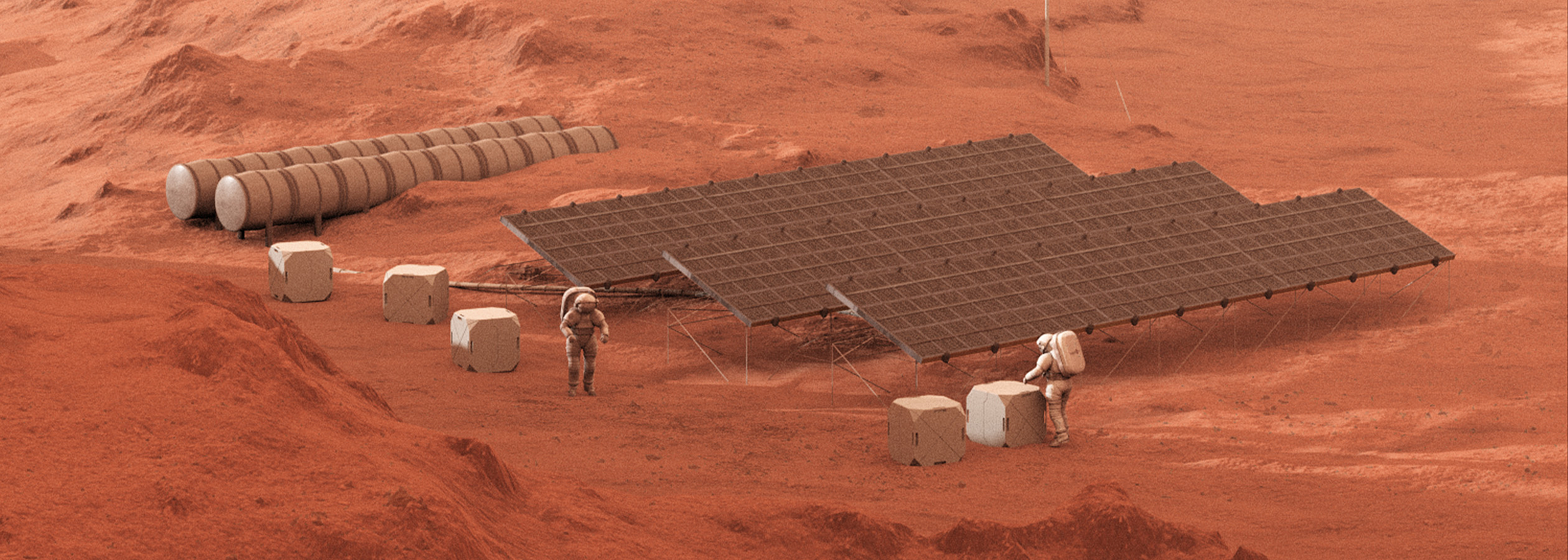
Wir untersuchen Wege zu einer nachhaltigen, menschlichen Erkundung des Mars in sieben vom Land Bremen geförderten Projekten. Die Projekte konzentrieren sich auf menschliche Aspekte, wie die Interaktion und Kommunikation zwischen Menschen und gemischten Mensch-Maschine-Teams, auf Habitate und Lebenserhaltungssysteme sowie auf die verantwortungsvolle Gewinnung lokaler Ressourcen für die In-situ-Produktion von Verbrauchsmaterialien und Ersatzteilen.


mehr

Exzellenzcluster "Die Marsperspektive"

Der Exzellenzcluster "Die Marsperspektive" baut auf der jahrzehntelangen wissenschaftlichen Expertise in zwei Forschungs- und Transferschwerpunkten des Landes Bremen auf: Materialwissenschaften und ihre Technologien sowie Luft- und Raumfahrt. Seit 2021 vereint und erweitert die "Humans on Mars"-Initiative dies um die Bereiche Verhaltenswissenschaften und Kommunikationstechnik zu einem interdisziplinären Konsortium.

mehr

News and activities


Forscher:innen und Leitung der Universität Bremen stehen nebeneinander in einem Foyer.

Historischer Erfolg: Uni Bremen wirbt erstmalig zwei Exzellenzcluster ein

Wissenschaftler:innen aus den Meeres- und Materialwissenschaften überzeugen in der Exzellenzstrategie von Bund und Ländern: Zwei Exzellenzcluster gehen nach Bremen. Damit qualifiziert sich die Universität auch für die Bewerbung um den Titel „Exzellenzuniversität“.


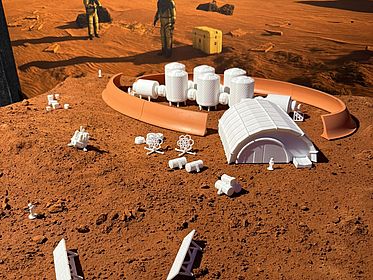
Marsmodell bestehend aus Marslandschaft mit Habiaten im Space Hub Bremen

Space Hub Bremen

Die Marsperspektive ist teil der Ausstellung, die Raumfahrt made in Bremen sicht- und greifbar macht.


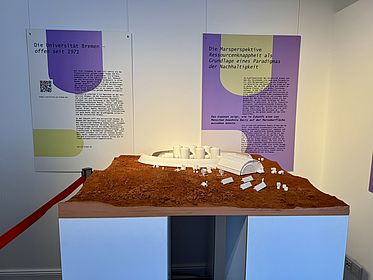
3D-Modell des Mars, ausgestellt im Haus der Wissenschaft.

Ein Grund zu feiern: 20 Jahre Haus der Wissenschaft

Die Marsperspektive ist Teil der Sonderausstellung.

Publication highlights


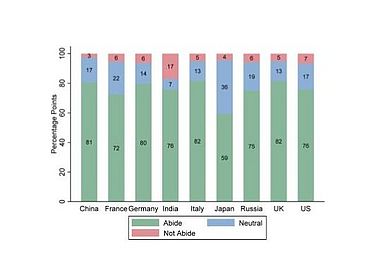
What do citizens expect from space?
MAPEX Research Highlights|

What do citizens expect from space?

Sebastian Fehrler, Lars Hornuf, Daniel Vrankar

Acta Astronautica 245 (2025): 660-669

https://doi.org/10.1016/j.actaastro.2025.05.056

Bold ventures by billionaires, governmental lunar missions fueled by a new space race, and initial public offerings by space companies have rapidly increased public…


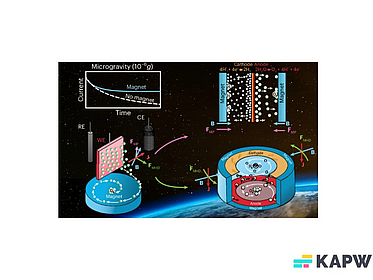
Magnetically_induced

Magnetically induced convection enhances water electrolysis in microgravity

Ömer Akay, Macià Monfort-Castillo, Theo St Francis, Julian Becker, Shaumica Saravanabavan, Álvaro Romero-Calvo, Katharina Brinkert

Nature Chemistry  (2025): 1-7

https://doi.org/10.1038/s41557-025-01890-0

Since the early days of space exploration, the efficient production of oxygen and hydrogen…


Anaerobic digestion of cyanobacterial biomass for plant fertilizer production on Mars
MAPEX Research Highlights|

Anaerobic digestion of cyanobacterial biomass for plant fertilizer production on Mars

Tiago P. Ramalho, Antje Siol, Sven KerzenmacherCyprien Verseux, Guillaume Pillot

Bioresource Technology 427 (2025): 132383

https://doi.org/10.1016/j.biortech.2025.132383

A sustained presence on Mars requires the production of food on site, but farming is limited by the local availability of…